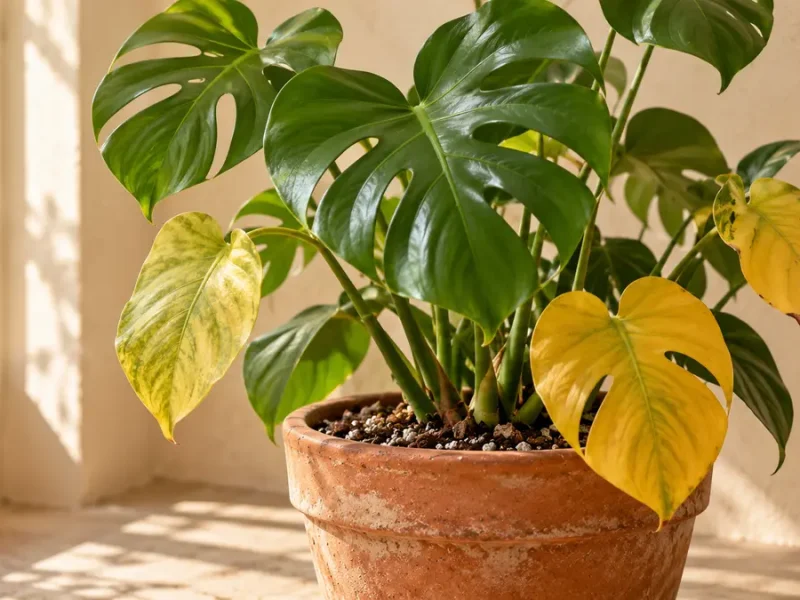
Yellow leaves are the most common symptom in houseplants, and the most poorly treated. The reflex is to water more or add fertiliser; in most cases, that’s exactly the opposite of what’s needed. Yellowing is a signal: before acting, you need to read it.
One leaf, or several?
An old lower leaf that yellows slowly and then dries while the plant is making new leaves: that’s normal. The plant is recycling its old leaves. Remove it when it comes away on its own. However, if several leaves yellow at once, or if it’s the young leaves that are turning pale, there’s a problem to find.
The causes, from most to least common
1. Too much water
This is the number one cause. The roots sit in potting mix that no longer dries out, run short of air and start to rot; they can no longer supply the leaves, which turn yellow, often going soft. Push a finger several centimetres into the soil: if it’s damp, stop watering and empty the saucer or planter. If the soil stays soaked for several days and smells bad, you need to look at the roots.
2. Lack of light
A plant too far from the window can no longer feed all its leaves: it sacrifices the oldest, and its new shoots are small and pale. Move it closer to a window, out of the direct midday sun.
3. Lack of water
Rarer than people think. In this case, the leaves yellow and become dry and brittle, often with brown edges, and the soil is dry all the way down the pot.
4. A pot that’s too small or exhausted potting soil
Roots coming out of the holes, water running through the pot without being absorbed, a plant that has stopped growing in spring: it’s time to repot, in fresh potting mix such as our Signature Potting Mix. You can also come in for repotting at the studio.
5. Cold or a change of position
A draught, air conditioning too close, a house move: some plants, such as Ficus, react by yellowing and dropping leaves. Find them a stable spot.
6. Pests
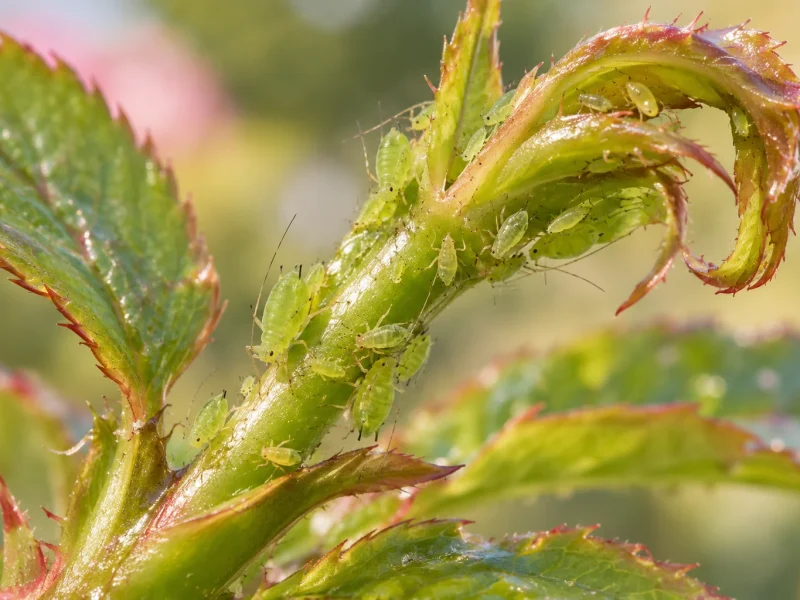
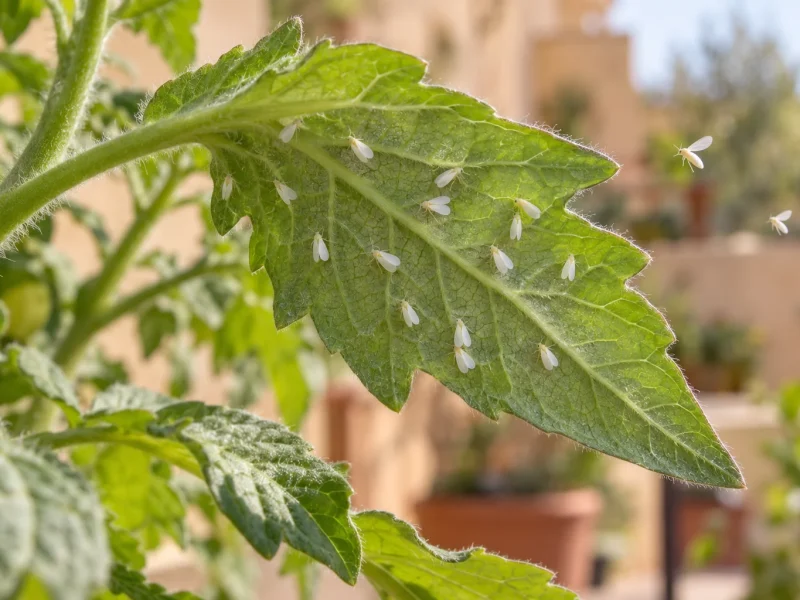
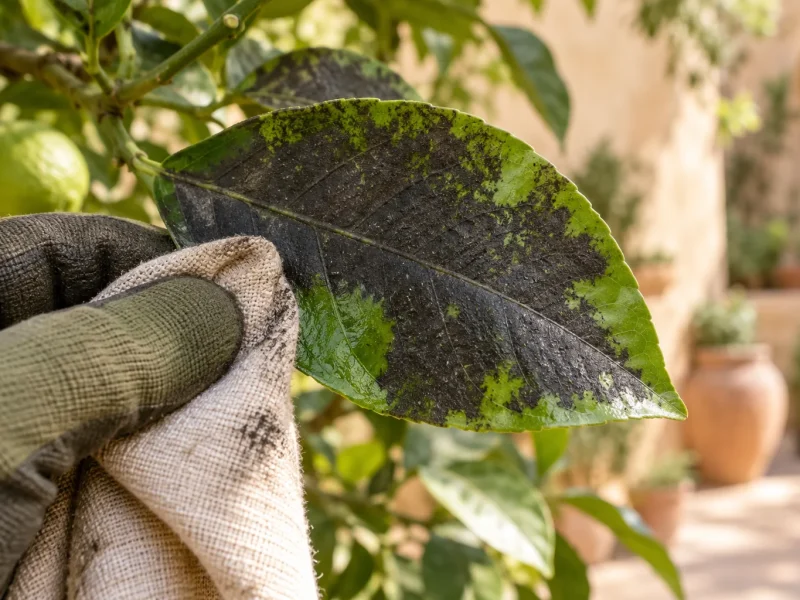
Speckled yellowing, dull leaves, fine webbing or sticky deposits: look under the leaves. See our articles on mealybugs and scale, thrips and spider mites.
What not to do
- Add fertiliser to a plant yellowing from overwatering: you’ll burn roots that are already damaged.
- Change everything at once: moving, repotting, watering and feeding on the same day. Change one thing, and observe for two weeks.
- Cut off all the yellow leaves at once on a weakened plant: leave it the ones that are still half green.
Need an opinion?
Send a photo of your plant to our Plant Doctor: the whole plant, a close-up of a leaf (top and underside) and the surface of the soil. The diagnosis is free, and you can also drop by the studio at 6 Rue Zemmour, Aviation district, Rabat, Tuesday to Saturday, 10am to 6pm.